
Customized flat-bottomed stand-up bags ensure food safety through high-barrier composite materials. For instance, structures with aluminum foil or EVOH coatings can reduce the oxygen transmission rate to less than 0.5 cm³/m²/24h, extending the product's shelf life by over 30%. According to the 2023 assessment report of the European Food Safety Authority, this packaging has a light blocking rate as high as 99.5%, effectively preventing the photolysis loss of nutrients such as vitamin C. Global food giants such as Nestle have applied Custom Flat Bottom Bags with an eight-layer composite structure in their milk powder packaging, enabling the product to have a shelf life of 18 months at 25℃ and reducing the spoilage probability to 0.1%.
In terms of sealing performance, the heat sealing strength of the custom flat-bottomed stand-up pouches needs to reach the industry standard of 40 Newtons /15 millimeters, and its four-side sealing technology keeps the leakage rate within one ten-thousandth. The updated food contact material specifications by the US FDA in 2022 require that the sealed parts can withstand temperature fluctuations ranging from -40℃ to 121℃, and such packaging has been verified to be able to withstand a pressure change of 90 kilopascals during transportation. For instance, the flat-bottomed bags used by General Mills for its grain products had a breakage rate of only 0.05% in simulated transportation tests, an improvement of 85% compared to traditional packaging.
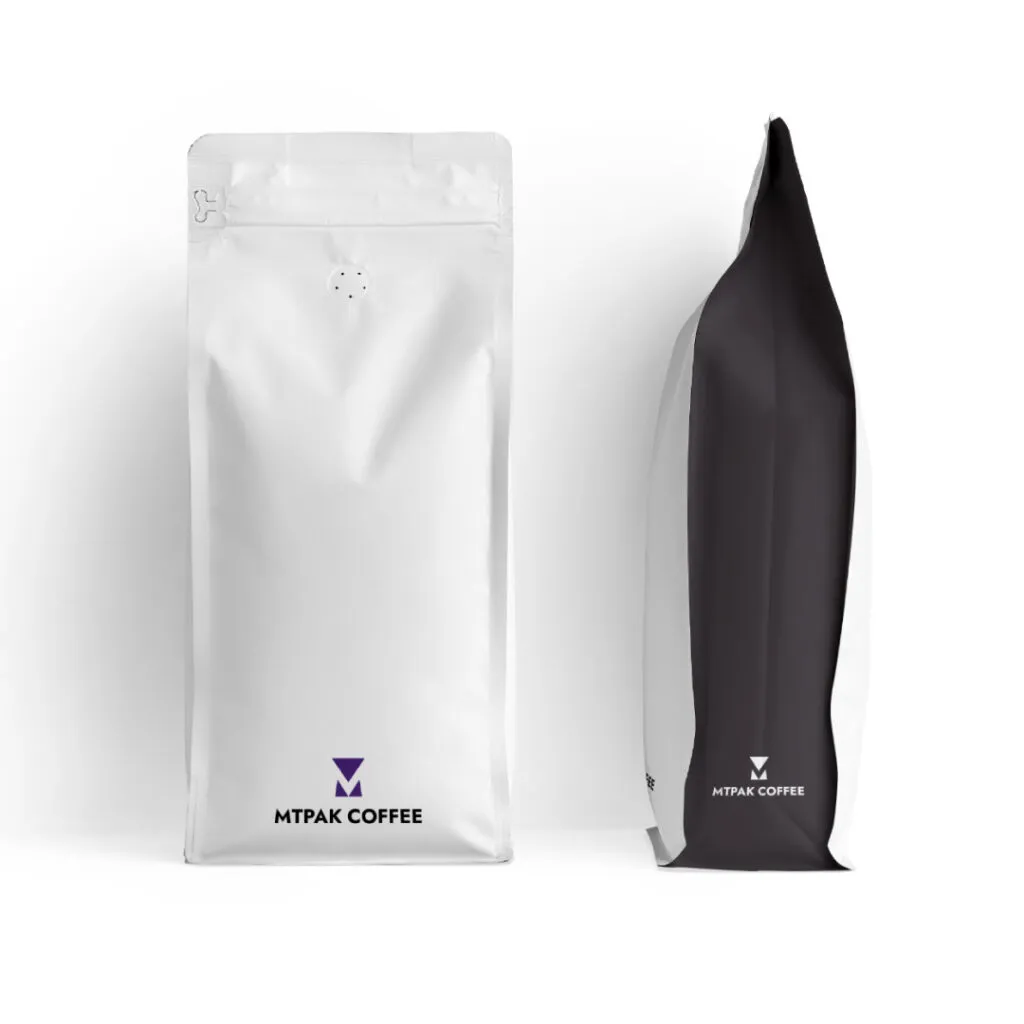 The integration of anti-counterfeiting and traceability systems is another major advantage. These packages can be equipped with a QR code traceability area that accounts for 0.5% of the total area, and over 200 data points from raw materials to sales can be recorded through blockchain technology. Referring to the food traceability coding requirements implemented in China in 2021, the traceability system implanted in the packaging of its rice cereal products by Want Want Group has increased the recall efficiency of problem products by 60% and reduced the recall cost by 40%. The anti-fouling treatment technology on the packaging surface keeps the total number of colonies below 100 CFU/g, which complies with the GB 4806.8-2023 hygienic standard for Food Contact materials.
The physical stability of the stand-up bag increases its compressive strength during storage and transportation by 50%, and the bottom support structure can withstand a maximum load of up to 20 kilograms. According to the International Transport Association's data in 2023, the complaint rate of food quality deterioration due to moisture in this type of packaging during logistics has dropped to 0.3%. Monitoring data from Amazon Fresh shows that the transportation damage rate of dry goods products using custom flat-bottomed stand-up bags has dropped from 2% of traditional packaging to 0.5%, reducing food waste by approximately 120 tons annually.
In terms of smart packaging innovation, some Custom Flat Bottom Bags integrate a time-temperature indicator. When the ambient temperature exceeds 4℃ for 120 minutes continuously, it will trigger a color change with an accuracy of 98%. According to a 2024 study in the Journal of Food Engineering, packaging with a new antibacterial coating can reduce the probability of Salmonella breeding by 99.9%. For instance, the oxygen indicator applied by Mengniu Dairy in the packaging of low-temperature yogurt has shortened the response time for identifying cold chain breaks to 15 minutes, effectively preventing food safety risks.
The integration of anti-counterfeiting and traceability systems is another major advantage. These packages can be equipped with a QR code traceability area that accounts for 0.5% of the total area, and over 200 data points from raw materials to sales can be recorded through blockchain technology. Referring to the food traceability coding requirements implemented in China in 2021, the traceability system implanted in the packaging of its rice cereal products by Want Want Group has increased the recall efficiency of problem products by 60% and reduced the recall cost by 40%. The anti-fouling treatment technology on the packaging surface keeps the total number of colonies below 100 CFU/g, which complies with the GB 4806.8-2023 hygienic standard for Food Contact materials.
The physical stability of the stand-up bag increases its compressive strength during storage and transportation by 50%, and the bottom support structure can withstand a maximum load of up to 20 kilograms. According to the International Transport Association's data in 2023, the complaint rate of food quality deterioration due to moisture in this type of packaging during logistics has dropped to 0.3%. Monitoring data from Amazon Fresh shows that the transportation damage rate of dry goods products using custom flat-bottomed stand-up bags has dropped from 2% of traditional packaging to 0.5%, reducing food waste by approximately 120 tons annually.
In terms of smart packaging innovation, some Custom Flat Bottom Bags integrate a time-temperature indicator. When the ambient temperature exceeds 4℃ for 120 minutes continuously, it will trigger a color change with an accuracy of 98%. According to a 2024 study in the Journal of Food Engineering, packaging with a new antibacterial coating can reduce the probability of Salmonella breeding by 99.9%. For instance, the oxygen indicator applied by Mengniu Dairy in the packaging of low-temperature yogurt has shortened the response time for identifying cold chain breaks to 15 minutes, effectively preventing food safety risks.
The integration of anti-counterfeiting and traceability systems is another major advantage. These packages can be equipped with a QR code traceability area that accounts for 0.5% of the total area, and over 200 data points from raw materials to sales can be recorded through blockchain technology. Referring to the food traceability coding requirements implemented in China in 2021, the traceability system implanted in the packaging of its rice cereal products by Want Want Group has increased the recall efficiency of problem products by 60% and reduced the recall cost by 40%. The anti-fouling treatment technology on the packaging surface keeps the total number of colonies below 100 CFU/g, which complies with the GB 4806.8-2023 hygienic standard for Food Contact materials.
The physical stability of the stand-up bag increases its compressive strength during storage and transportation by 50%, and the bottom support structure can withstand a maximum load of up to 20 kilograms. According to the International Transport Association's data in 2023, the complaint rate of food quality deterioration due to moisture in this type of packaging during logistics has dropped to 0.3%. Monitoring data from Amazon Fresh shows that the transportation damage rate of dry goods products using custom flat-bottomed stand-up bags has dropped from 2% of traditional packaging to 0.5%, reducing food waste by approximately 120 tons annually.
In terms of smart packaging innovation, some Custom Flat Bottom Bags integrate a time-temperature indicator. When the ambient temperature exceeds 4℃ for 120 minutes continuously, it will trigger a color change with an accuracy of 98%. According to a 2024 study in the Journal of Food Engineering, packaging with a new antibacterial coating can reduce the probability of Salmonella breeding by 99.9%. For instance, the oxygen indicator applied by Mengniu Dairy in the packaging of low-temperature yogurt has shortened the response time for identifying cold chain breaks to 15 minutes, effectively preventing food safety risks.
For institutional clients
Commission a Studio Conversation
F. Nakata Studios accepts fewer than four commissioned projects each year. Begin with a confidential conversation from Tokyo or Montréal — for landmark civic, cultural, and high-density residential work across Asia and North America.
Commission a Studio Conversation